News

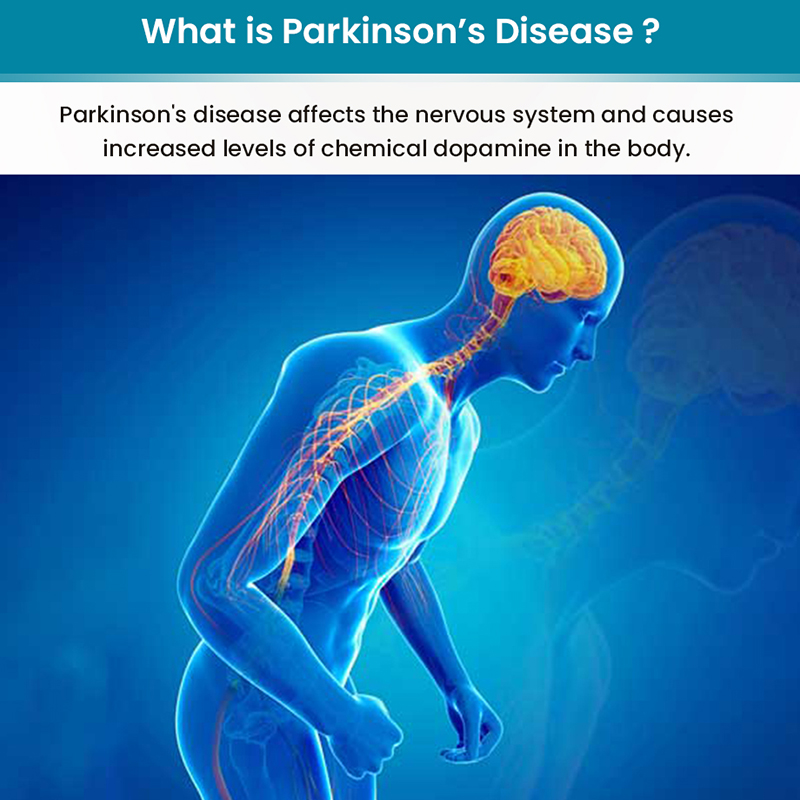
  • What is Parkinson's Disease? What Medical Assistive Devices Do they Need?
    Parkinson's disease is a chronic, progressive neurological disease. In this article, we will explore in detail the definition of Parkinson's disease, its causes, risk factors, symptoms, disease progression, and the medical assistive devices that patients may need.
    More
  • What Are the Benefits of Having Home Medical Equipment?
    Benefit 1: Eliminates the need for expensive medical procedures Benefit 2: Encourages patients to live a healthier lifestyle Benefit 3: Helps monitor chronic diseases Benefit 4: Can save lives in the event of a medical emergency Benefit 5: Improves patient safety
    More
  • Do Hospital Beds Have Wheels?
    The answer is very simple: yes, hospital beds do have wheels. In fact, wheels are standard for almost all modern hospital beds. Whether it is a simple bed we see in the emergency room or a high-level care bed in the ICU, wheels are almost installed.
    More
  • How Many Types of Hospital Beds Are There?
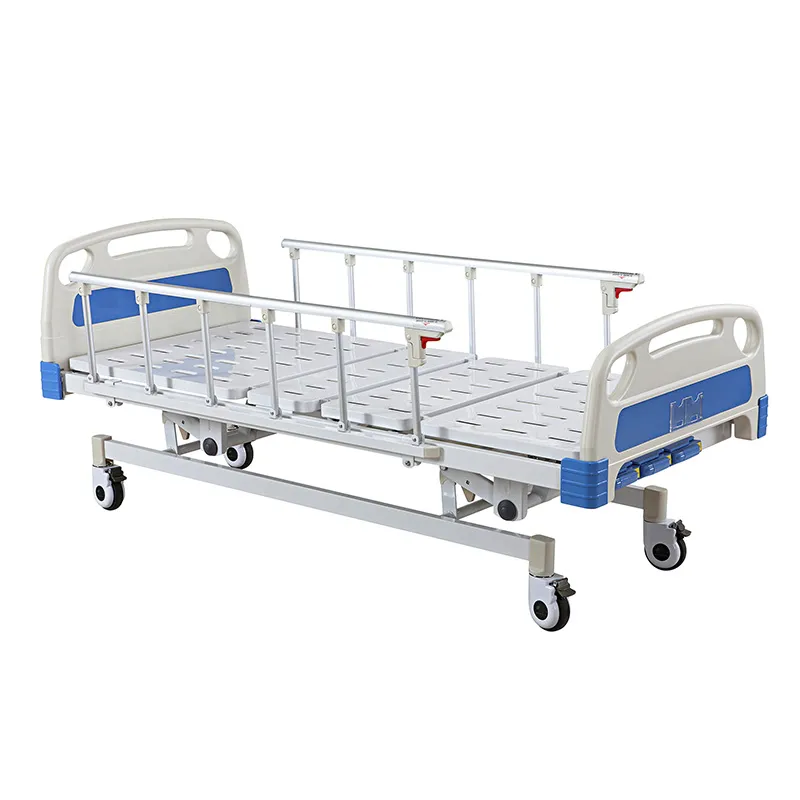
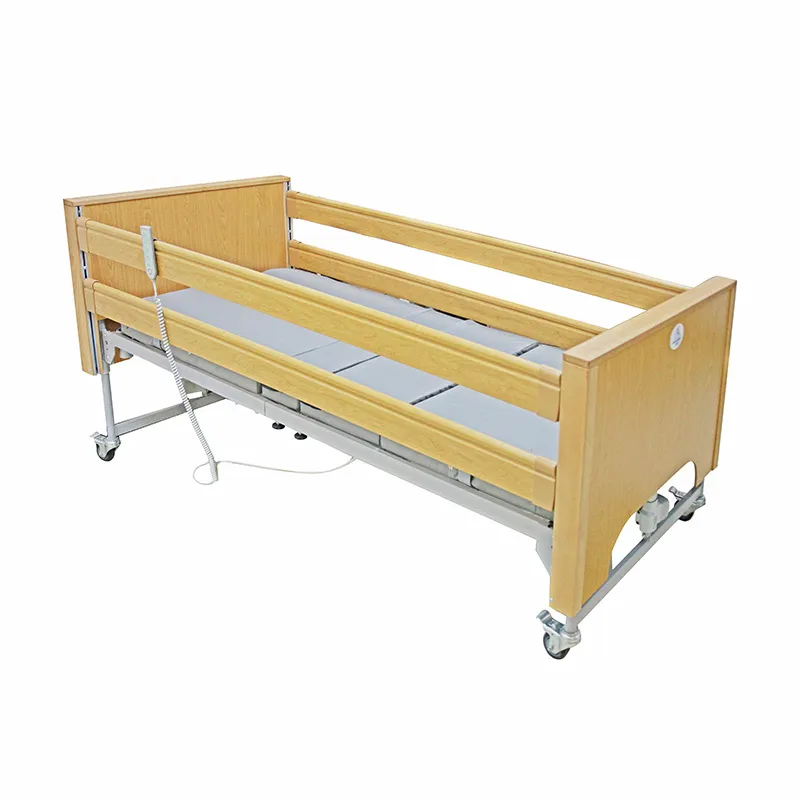
    According to the different operation methods and functions, hospital beds are mainly divided into the following types: manual beds, semi-electric beds and fully electric beds. Each type of hospital bed has its own unique Pros and applicable scenarios.
    More
  • What Is A High-Low Bed?
    As the name suggests, a high-low bed is a bed with adjustable height. This type of bed is usually equipped with an electric or manual height adjustment system, so that the height of the bed can be raised and lowered as needed.
    More
  • Why do some people need extra-wide hospital beds?
    In some cases, standard-sized hospital beds are not enough to meet the needs of patients. Extra-wide hospital beds become a necessary choice in these cases. Extra-wide hospital beds not only meet the practical needs of patients with larger bodies or specific rehabilitation needs, but also provide patients with more comfort and security on a psychological level.
    More
  • How Can Hospital Beds Help People with Fibromyalgia?
    People with fibromyalgia may experience pain and discomfort in various parts of their body. Hospital beds have specially designed mattresses that provide even support throughout the body and reduce pain by preventing excessive pressure on specific areas.
    More
  • How Can Hospital Beds Help Stroke Recovery?
    After a stroke, patients often need to stay in bed for a long time, which can lead to a series of problems such as bedsores, muscle atrophy, and poor circulation. Hospital beds can help alleviate these problems and promote patients' recovery by providing a variety of features.
    More
  • How Can Hospital Beds Help People with Cerebral Palsy?
    Caregivers who care for patients with cerebral palsy often face great physical and psychological pressure. The electric adjustment function of hospital beds can make it easier for caregivers to turn patients over, bathe them, change bed sheets, and other care tasks, thereby reducing physical strain.
    More
  • Do Nursing Homes Provide You With Hospital Beds?
    The answer is yes, most nursing homes do offer hospital beds, especially for those residents who require special care. These hospital beds are often adjustable so that caregivers can more easily assist residents with body positioning, bathing, and other daily activities.
    More

Get the latest price? We will reply as soon as possible (within 12 hours)

top