Industry News

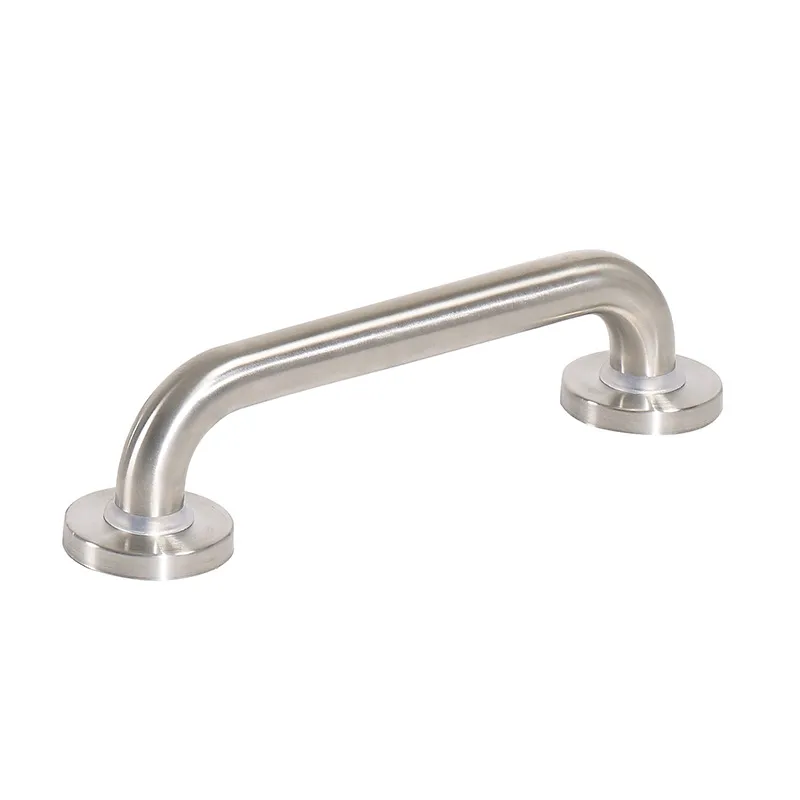
  • Why Do Nursing Homes and Hospitals Need Bathroom Safety Grab Bars?
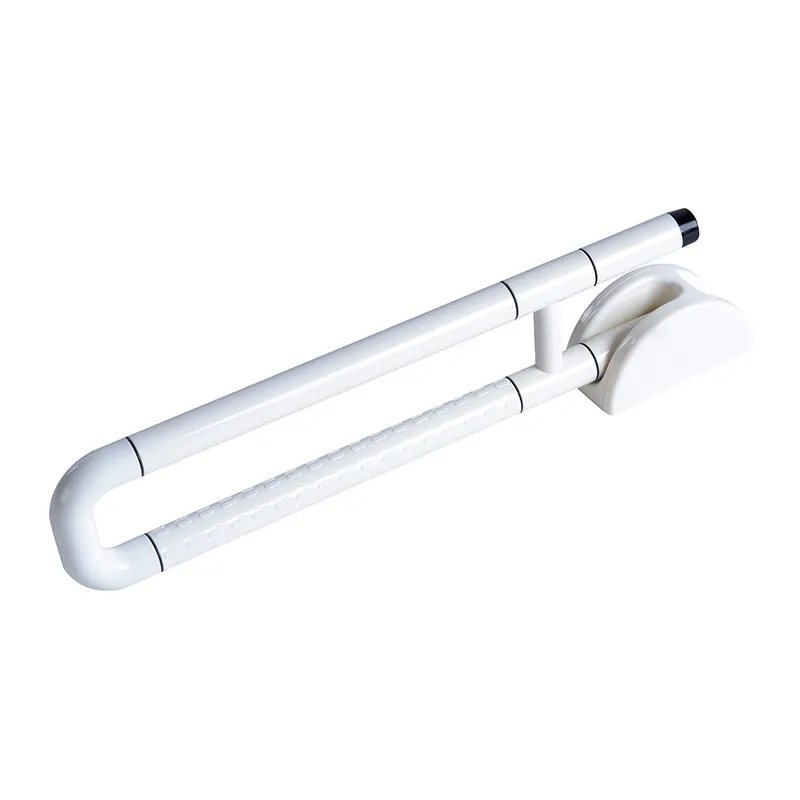
    The primary function of a bathroom safety grab bar is to provide users with stable and reliable physical support. Unlike standard handrails, professional-grade bathroom safety grab bars are engineered with careful consideration for how the human body exerts force, the specific installation environment, frequency of use, and long-term durability.
    More
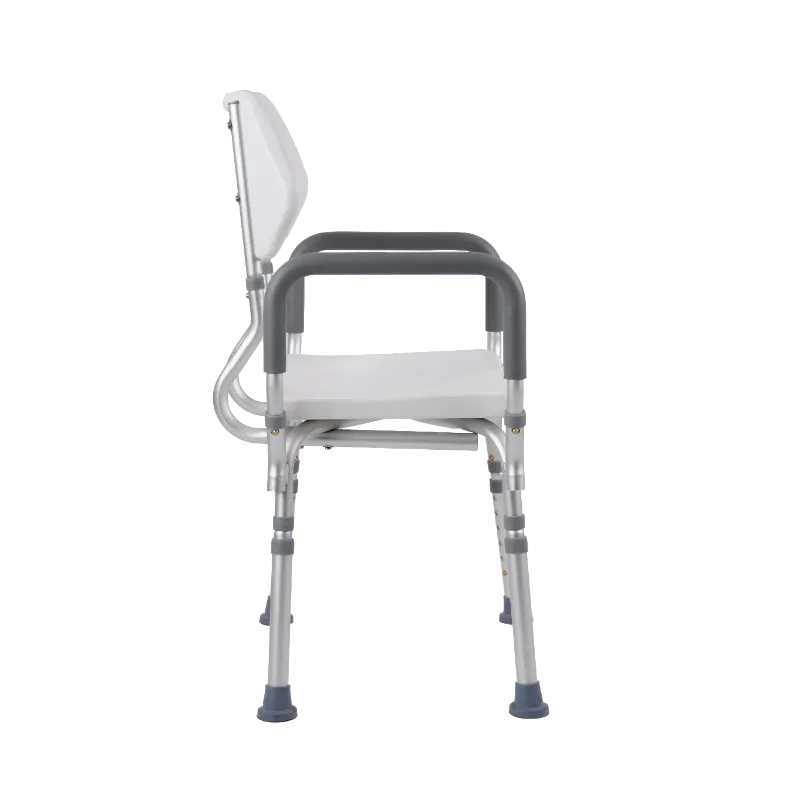
  • How to Choose a Shower Chair with Armrests and Backrest?
    Focus on factors such as the frame material, weight capacity, anti-slip design, structural integrity, and the supplier’s quality certifications. Do not base your decision solely on price; safety and long-term durability are the most important criteria when selecting a shower chair.
    More
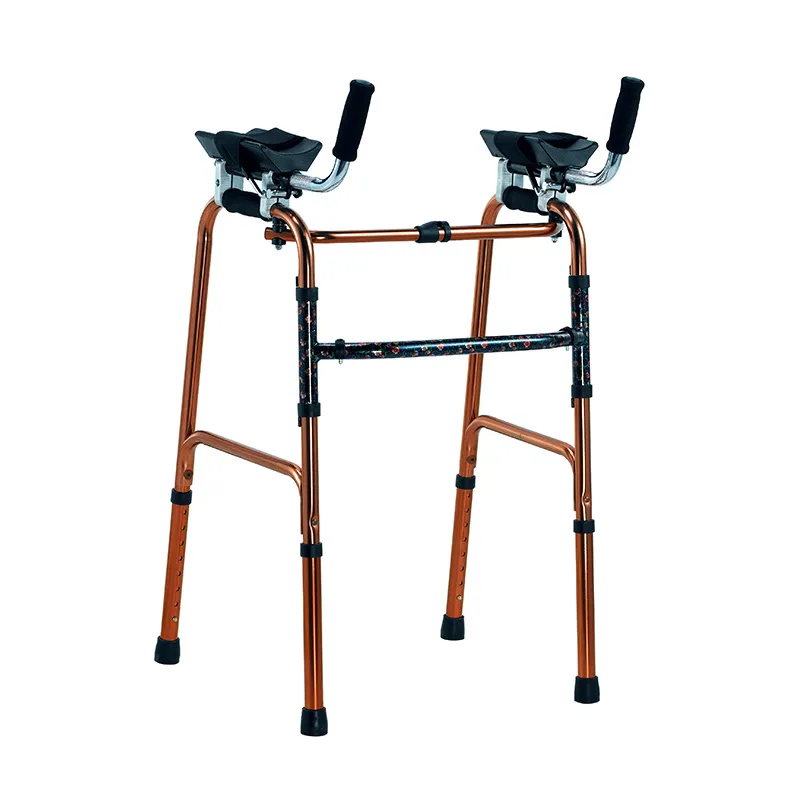
  • Why Do Hospitals Need Various Types of Walking Aids?
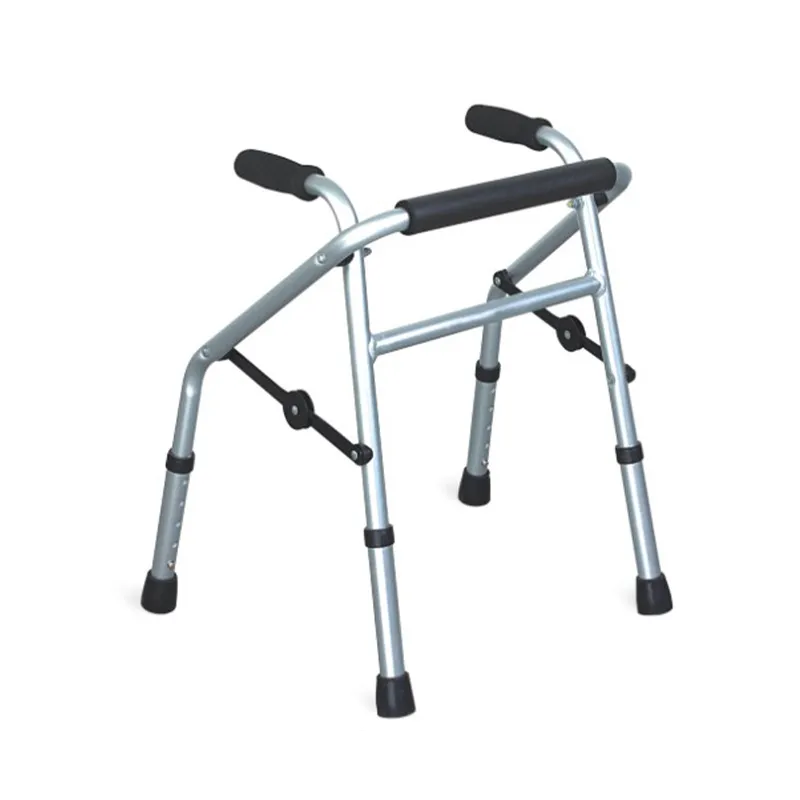
    Because patients are at different stages of recovery. Some patients require the high stability of a standard walker, while those in the later stages of recovery may benefit more from crutches, which offer greater freedom of movement.
    More
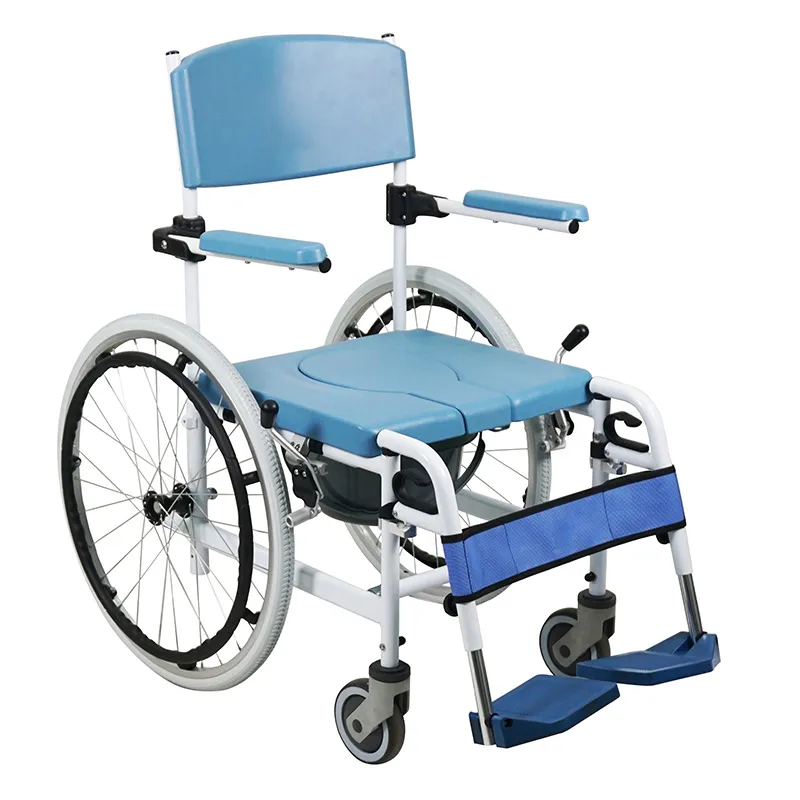
  • A Guide to Choosing Commode Wheelchairs for Hospitals and Home Care
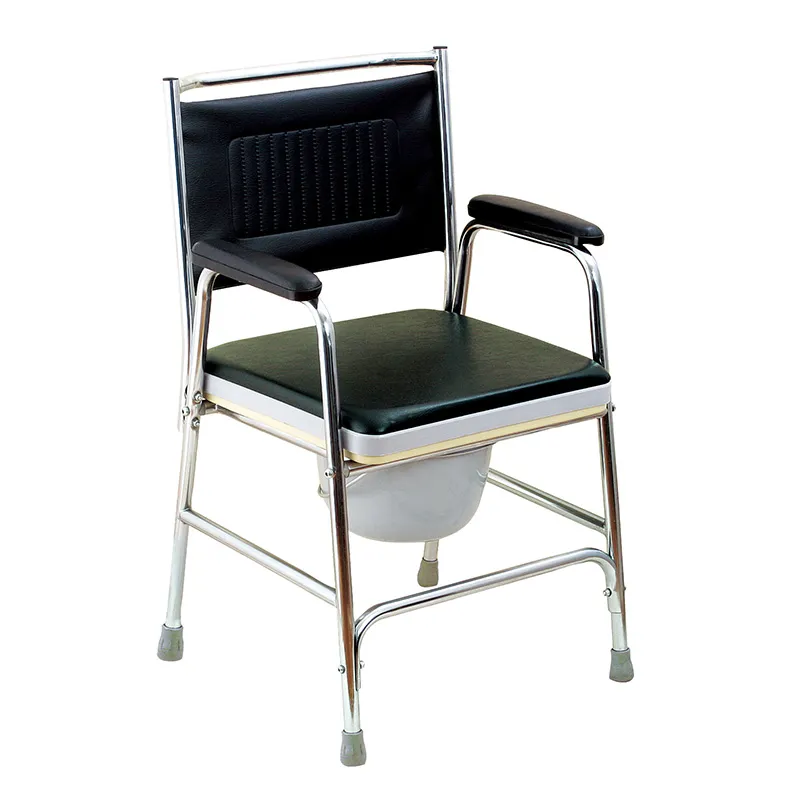
    When selecting a commode wheelchair, hospitals and home caregivers should look beyond price. Instead, they should carefully evaluate the product’s structural integrity, safety features, ergonomic design, ease of cleaning and maintenance, and the manufacturing capabilities of the supplier.
    More
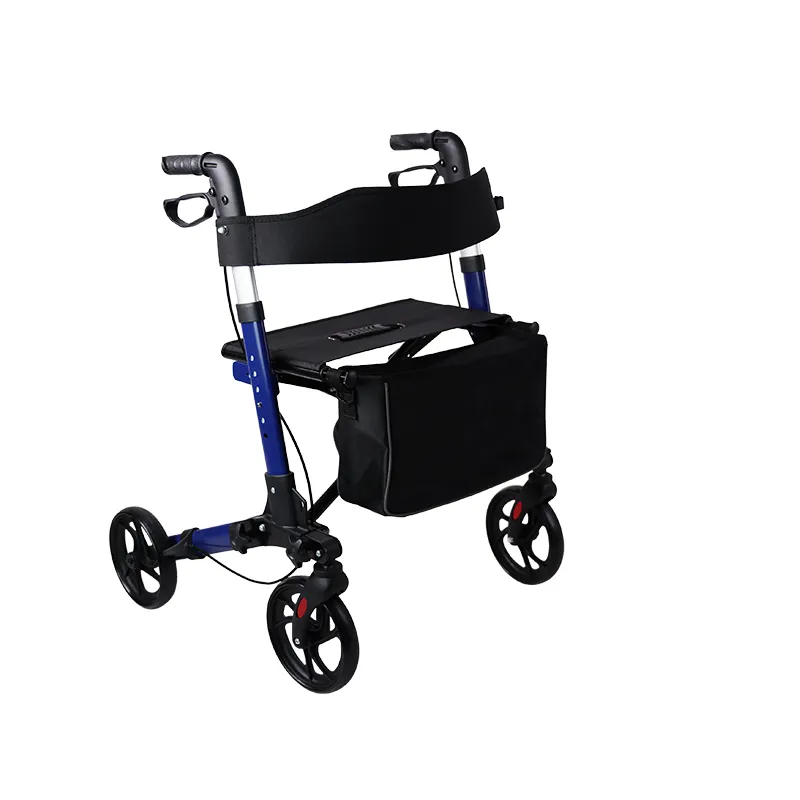
  • What Are the Advantages of Aluminum Rollators?
    The Primary Advantage of Aluminum Rollators: Reduced Weight For a rollator, weight directly impacts how easily it can be transported, folded, and used on a daily basis. Aluminum alloy has a significantly lower density than steel, allowing for a reduction in the overall frame weight while still meeting the necessary structural strength requirements.
    More
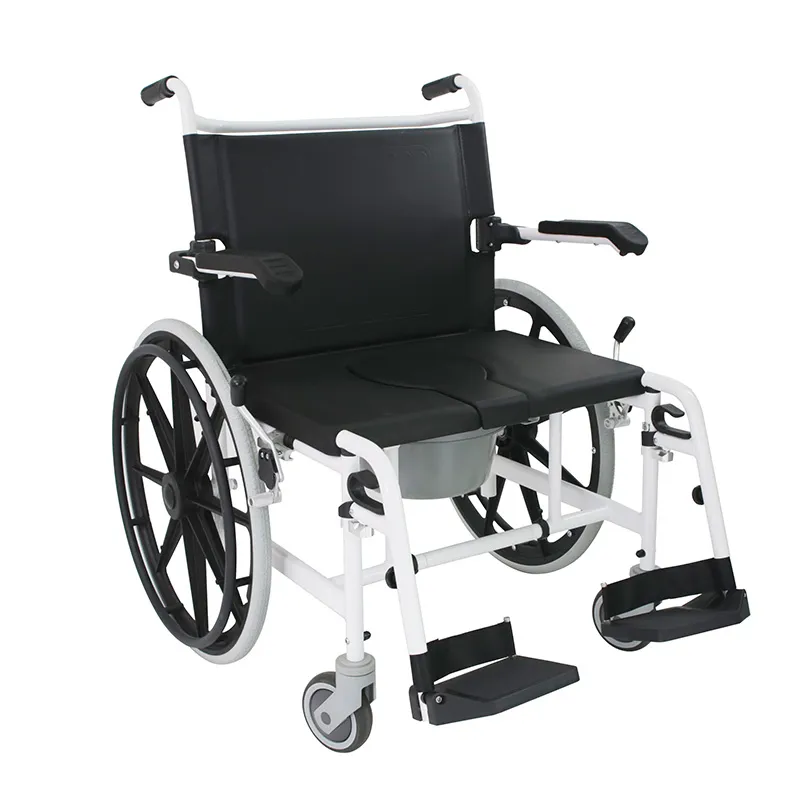
  • What Are the Pros of Using a Commode Wheelchair for Disabled Users?
    For individuals with disabilities who meet the criteria for their use, a well-suited commode wheelchair can minimize unnecessary physical transfers, making the toileting process more seamless and safe, while also easing the workload for caregivers.
    More
  • What Are the Best Applications for Folding Aluminum Wheelchairs?
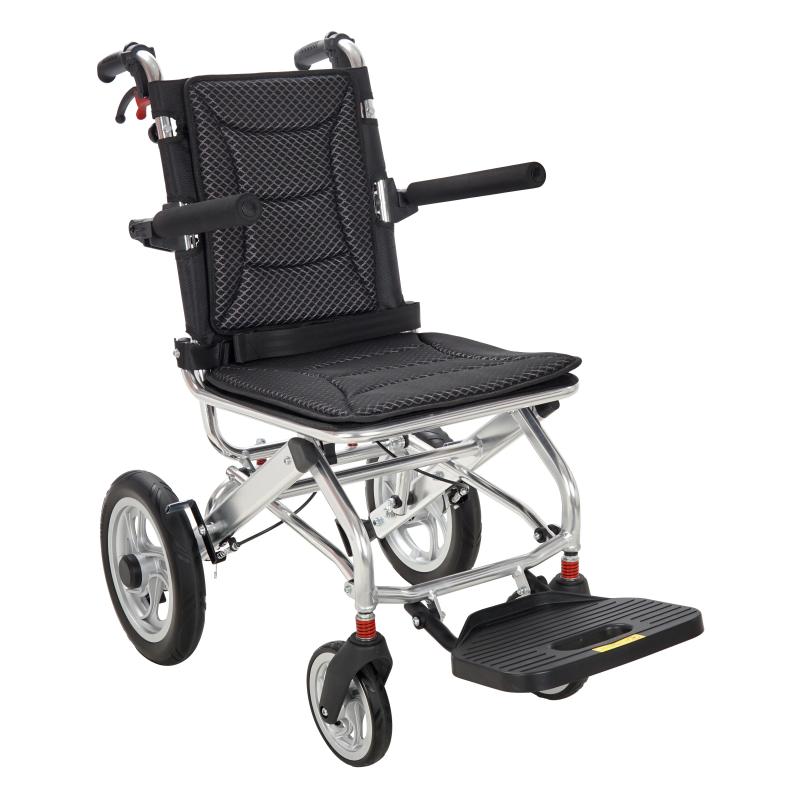
    Thanks to their low weight and ease of folding, lightweight aluminum wheelchairs are exceptionally well-suited for travel. When traveling by car, a folded wheelchair can simply be placed in the trunk, requiring no additional transport equipment.
    More
  • A Guide to Bathroom Safety Equipment: Grab Bars, Shower Chairs, and Elderly Care Solutions
    As a professional manufacturer of medical assistive devices, Shunkangda Medical has long addressed the home-care needs arising from the global aging trend. By developing and producing products such as bathroom grab bars, shower chairs, mobility aids, wheelchairs, and nursing beds.
    More
  • What Mobility Aids Are Recommended for Home Care?
    This article explores common mobility aids used in home care—such as shower chairs, bathroom grab bars, bedside commodes, and standard walkers—detailing their functions and the specific needs they address. It serves as a professional resource for families, elderly care facilities, and those responsible for procuring care equipment.
    More
  • Commode Chair vs. Toilet Safety Frame: Which Care Option Is Better?
    The safety of each depends on the specific situation. For seniors who lack stable mobility, a commode chair is safer; for those who can still reach the bathroom but have difficulty standing up, toilet safety rails are more suitable.
    More

Get the latest price? We will reply as soon as possible (within 12 hours)

top