News

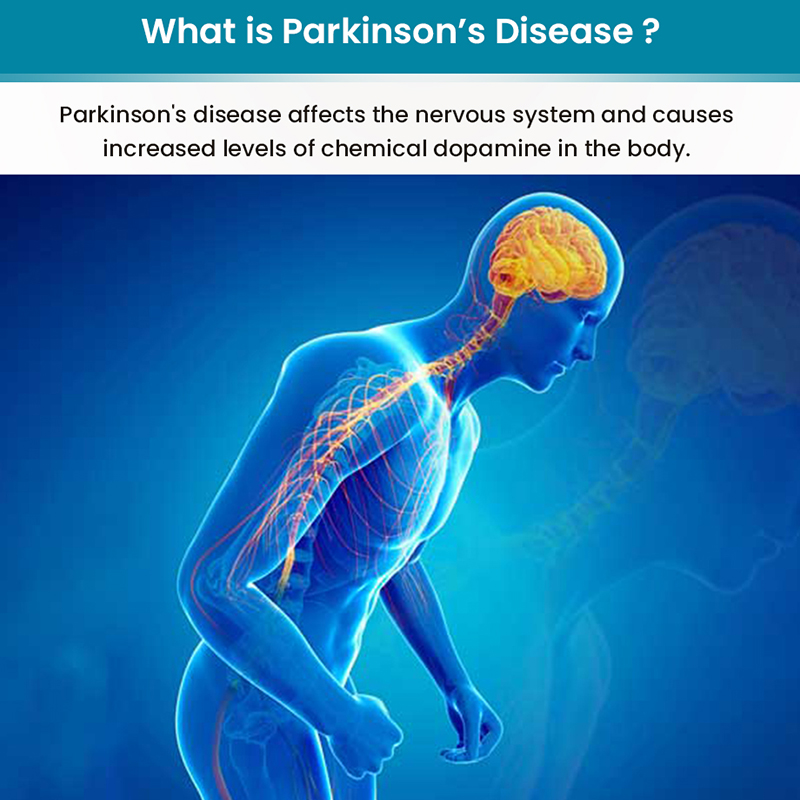
  • What is Parkinson's Disease? What Medical Assistive Devices Do they Need?
    Parkinson's disease is a chronic, progressive neurological disease. In this article, we will explore in detail the definition of Parkinson's disease, its causes, risk factors, symptoms, disease progression, and the medical assistive devices that patients may need.
    More
  • Who is Suitable for a Wheelless Walker or a Four-Wheeled Rollator?
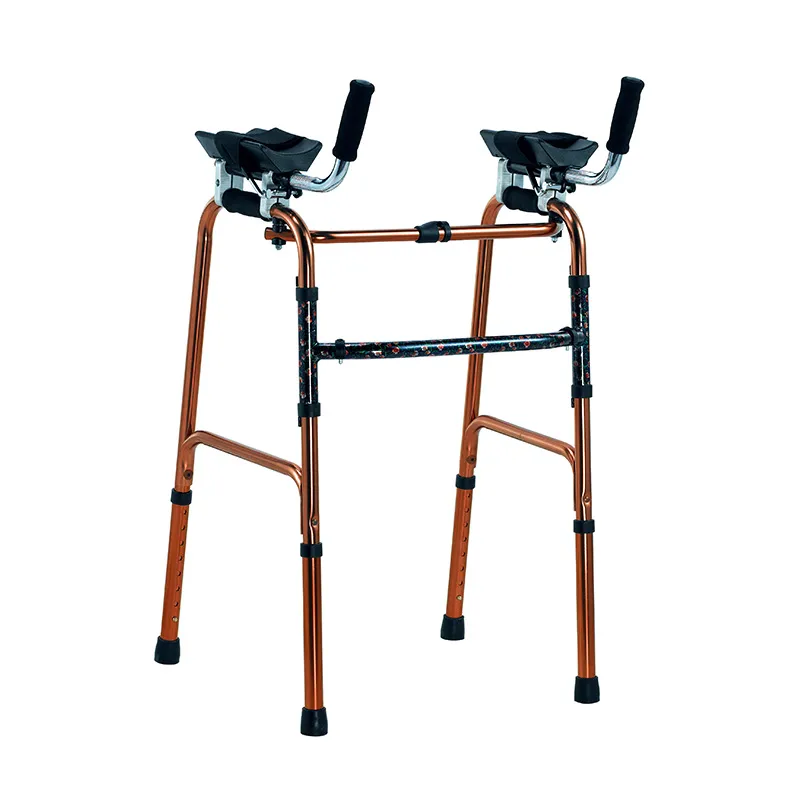
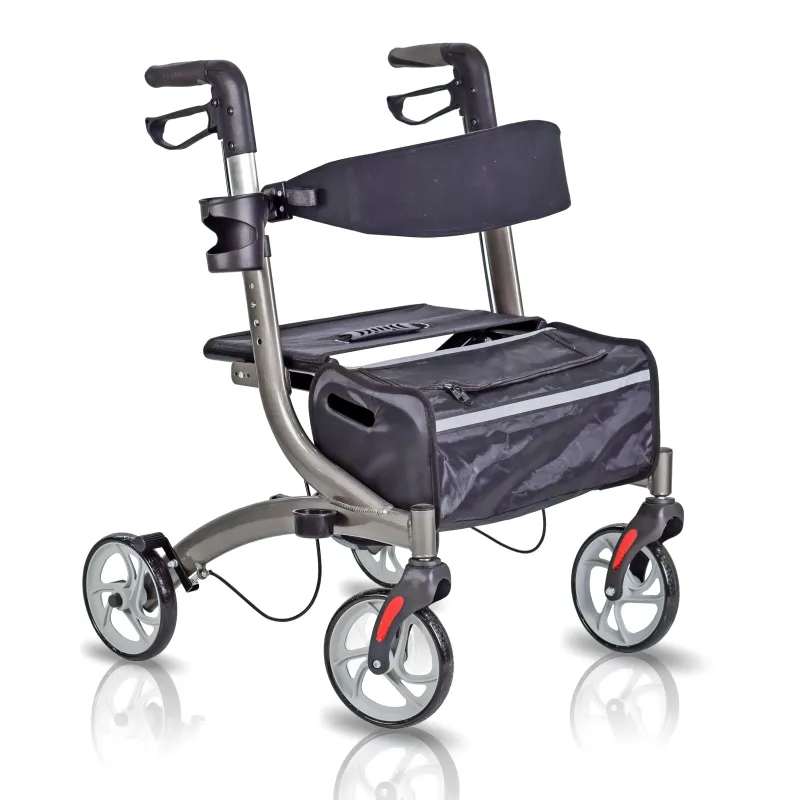
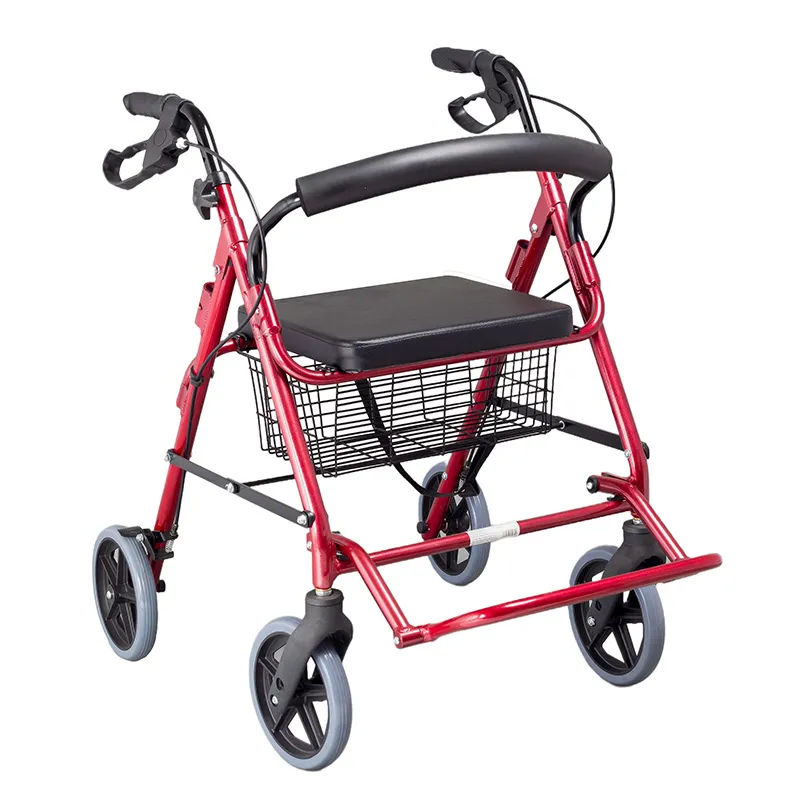
    Wheelless walkers are usually suitable for people who have limited mobility but still have a certain amount of upper limb strength and independent mobility. Four-wheeled rollators are suitable for users whose walking ability has decreased but who can still move independently. Compared with wheelless walkers, four-wheeled rollators are more flexible and can meet the various needs of users.
    More
  • How to choose a good walker?
    Choosing a suitable walker requires comprehensive consideration of multiple factors: wheel size (4 inches to 10 inches), height adjustment (28 to 38 inches), weight (5 to 10 pounds), foldable design, additional functions, use environment, personal health status and needs, brand and quality, etc.
    More
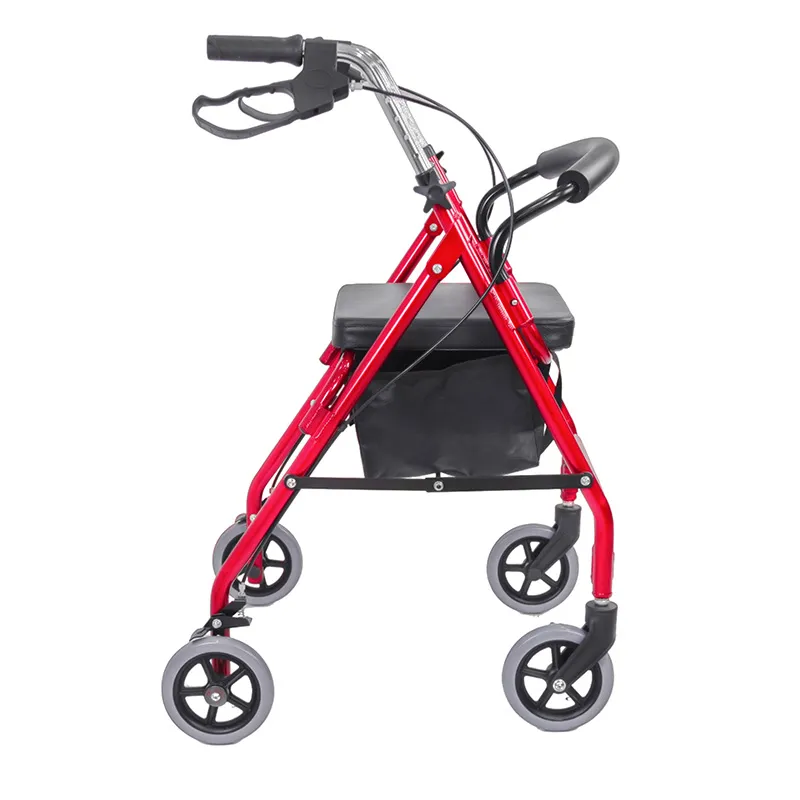
  • What are the best walkers for the elderly? Which brands are good?
    Standard walker (suitable for elderly people with weaker walking ability), wheeled walker (suitable for elderly people who move frequently), rolling walker (suitable for elderly people with greater mobility), folding walker (suitable for elderly people who want to use in different locations).
    More
  • What is the difference between a rollator and a walker? Which is better?
    Rollators are designed with handbrakes, seats, and storage baskets, so users can sit down and rest when they are tired. Walkers are usually frames without wheels, or with two front wheels and two rear foot pads, and users need to rely on their own strength to move the device.
    More

    Get the latest price? We will reply as soon as possible (within 12 hours)

    top