News

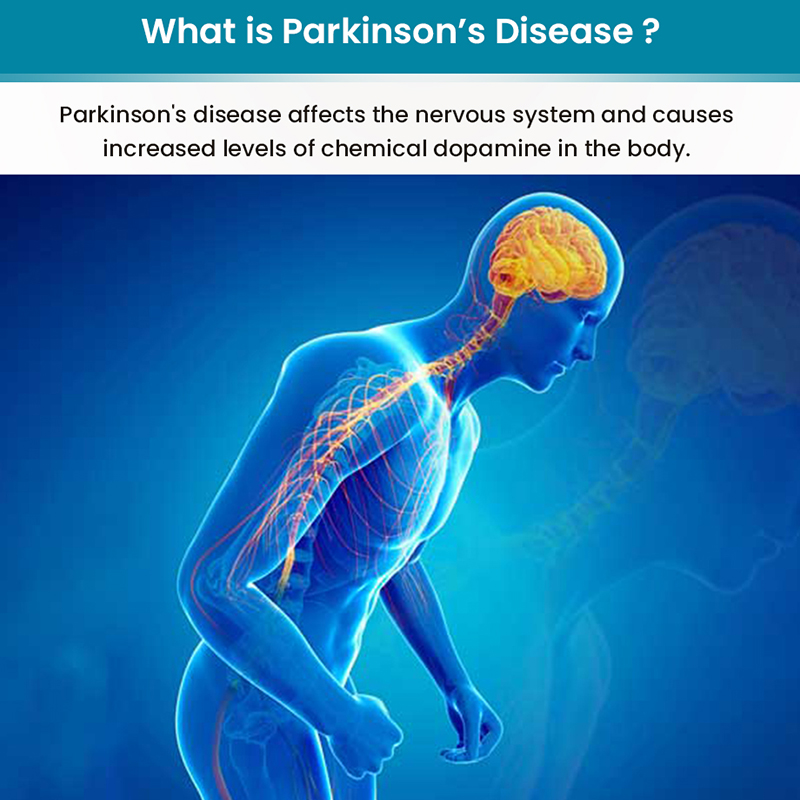
  • What is Parkinson's Disease? What Medical Assistive Devices Do they Need?
    Parkinson's disease is a chronic, progressive neurological disease. In this article, we will explore in detail the definition of Parkinson's disease, its causes, risk factors, symptoms, disease progression, and the medical assistive devices that patients may need.
    More
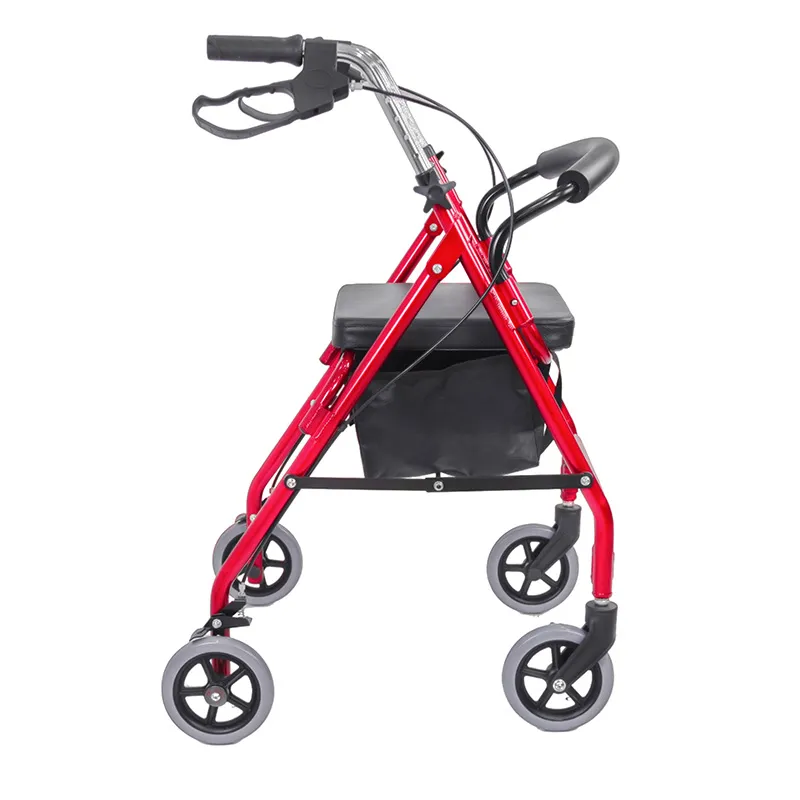
  • Buyer’s Guide: Choosing the Right Rollator Walker
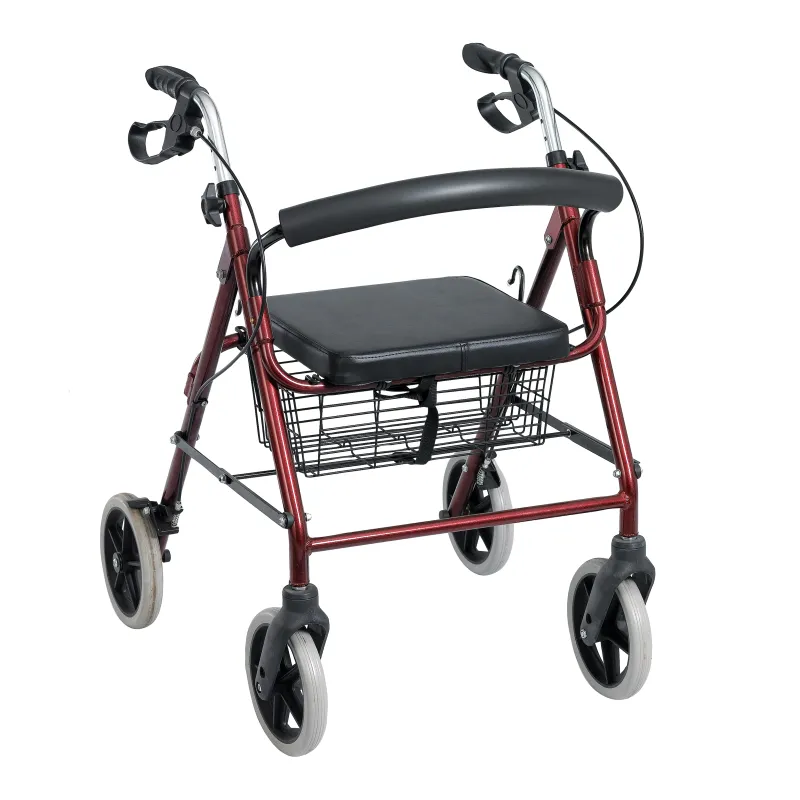
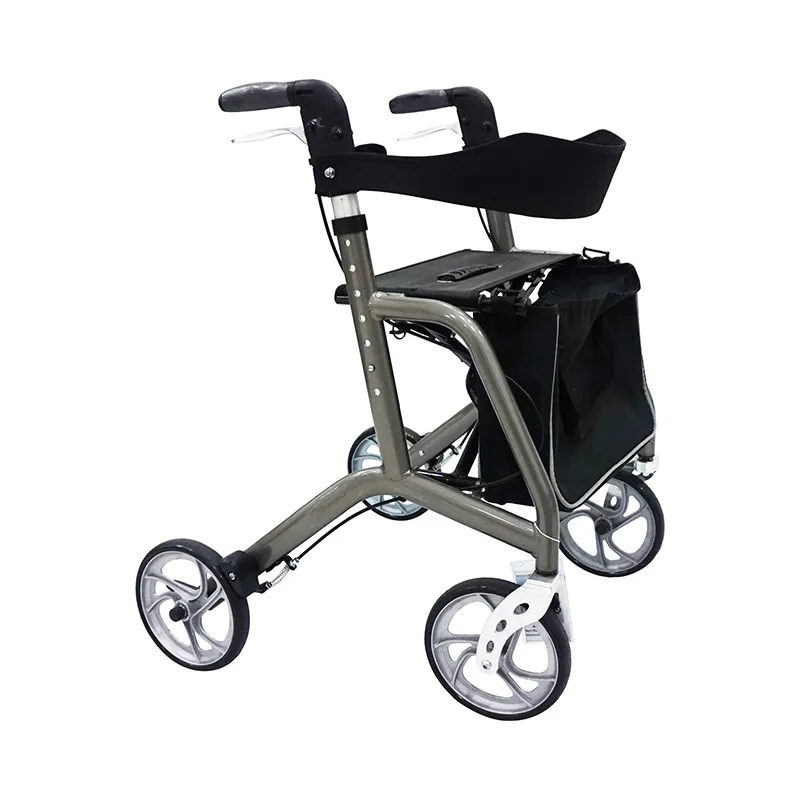
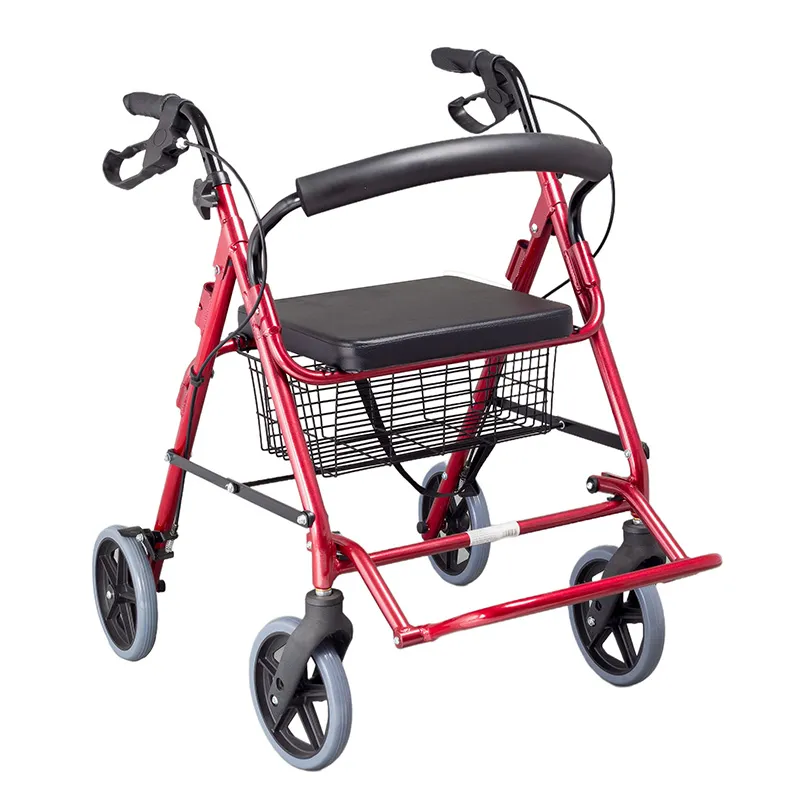
    If the user needs to walk outdoors frequently or needs to rest at any time during walking, then the rollator walker will be a better choice. The rollator walker's wheels and seat are designed to provide extra support and convenience.
    More
  • Buyer's Guide: How to Choose the Right Walker?
    Is the walker mainly used indoors or outdoors? If you mainly use it indoors, it may be more appropriate to choose a small and easy-to-maneuver walker; if you need to use it outdoors, consider choosing a more sturdy walker that can adapt to various ground conditions.
    More
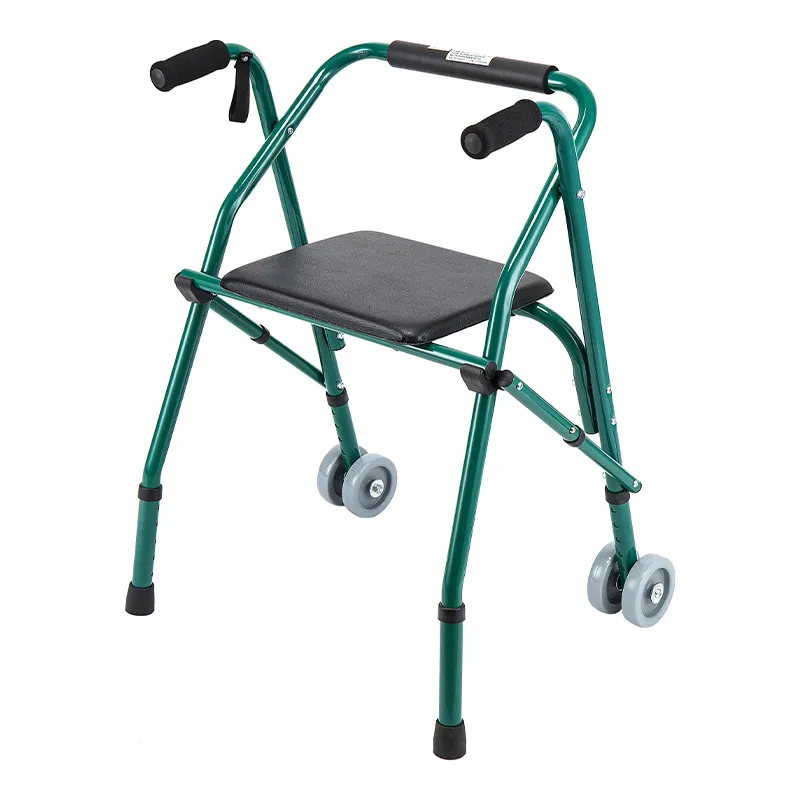
  • Who is Suitable for a Wheelless Walker or a Four-Wheeled Rollator?
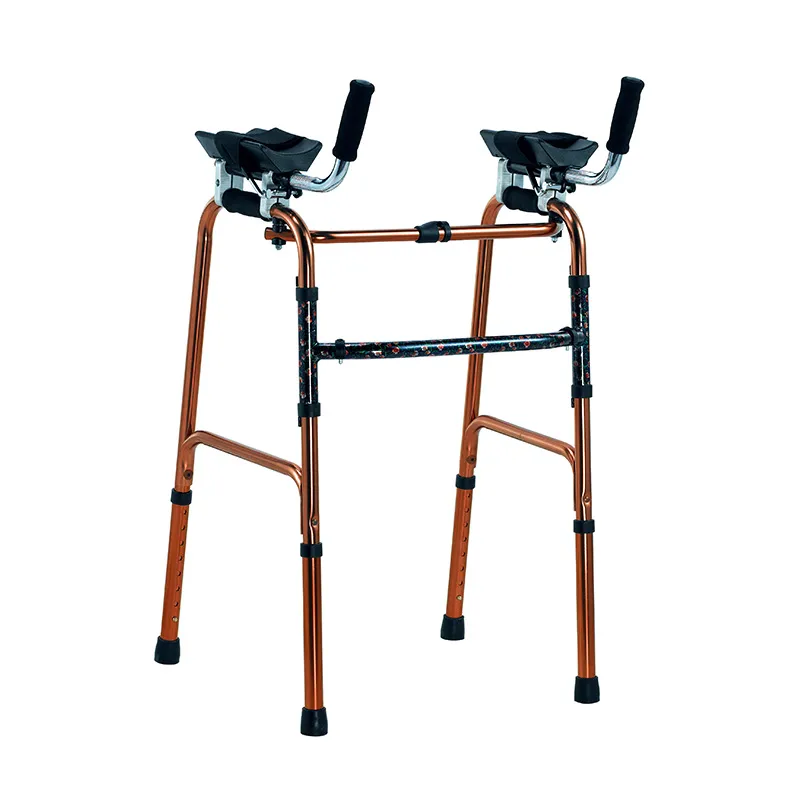
    Wheelless walkers are usually suitable for people who have limited mobility but still have a certain amount of upper limb strength and independent mobility. Four-wheeled rollators are suitable for users whose walking ability has decreased but who can still move independently. Compared with wheelless walkers, four-wheeled rollators are more flexible and can meet the various needs of users.
    More
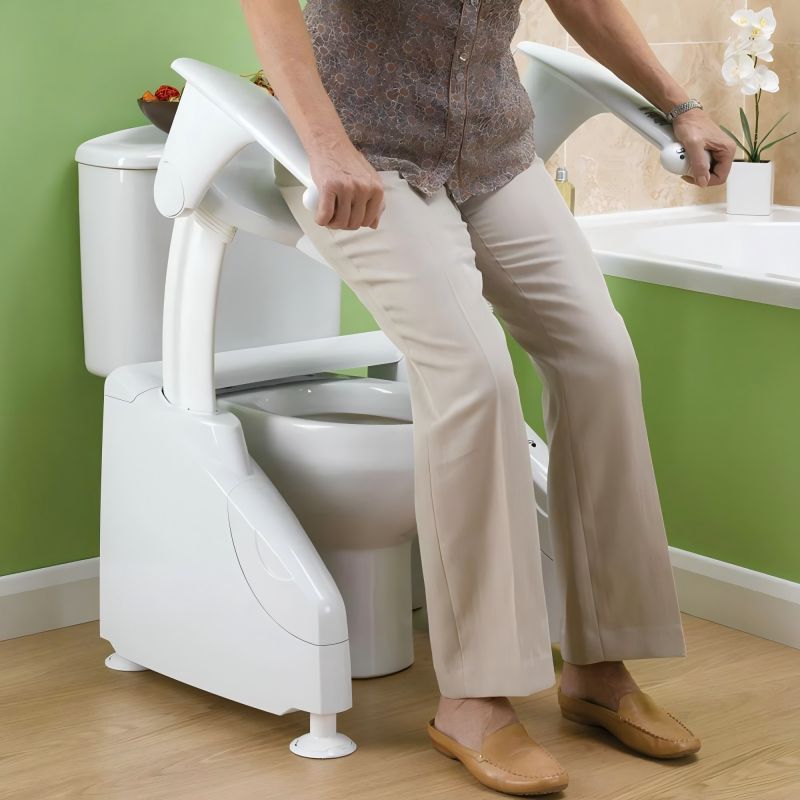
  • Toilet Help for the Elderly: 10 Tips for Elderly Safety
    Summary of 10 Tips for Elderly Safety 1. Understand your limitations and needs 2. Raise the height of the toilet seat 3. Add support around the toilet 4. Use non-slip flooring to reduce the chance of slipping 5. Improve the lighting in the bathroom 6. Use the support of a walker...
    More
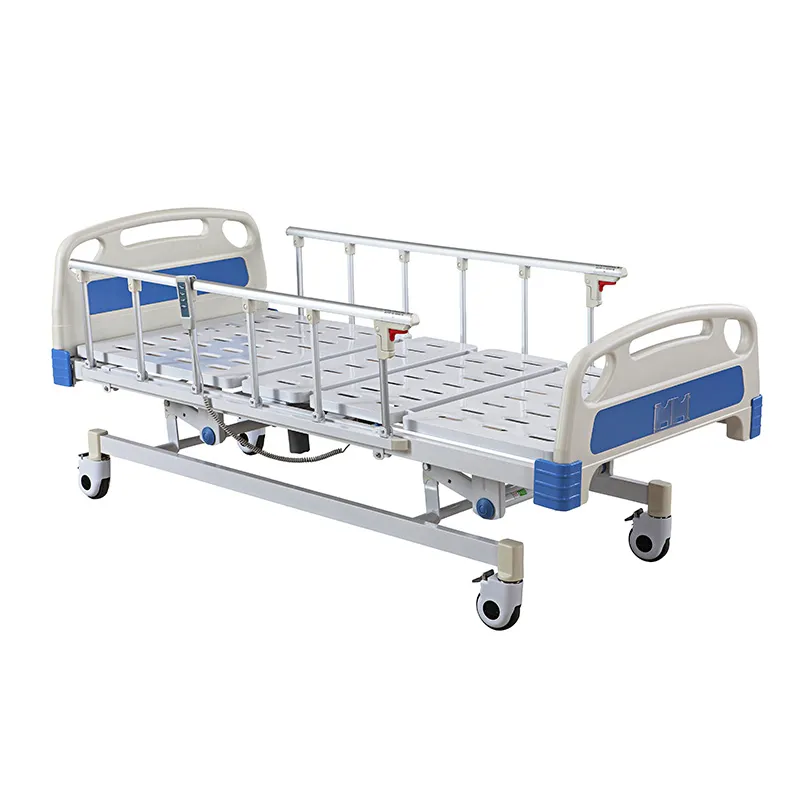
  • How Can Hospital Beds Help People with Cerebral Palsy?
    Caregivers who care for patients with cerebral palsy often face great physical and psychological pressure. The electric adjustment function of hospital beds can make it easier for caregivers to turn patients over, bathe them, change bed sheets, and other care tasks, thereby reducing physical strain.
    More
  • Can a rollator prevent falls? Which diseases are suitable for use?
    One of the original intentions of the design of a rollator is to help users maintain balance and prevent falls. Here are a few key mechanisms of rollators in preventing falls: ● Stability: Four wheels provide more contact points than crutches or traditional walkers, increasing stability.
    More
  • What are the best assistive devices for weak legs?
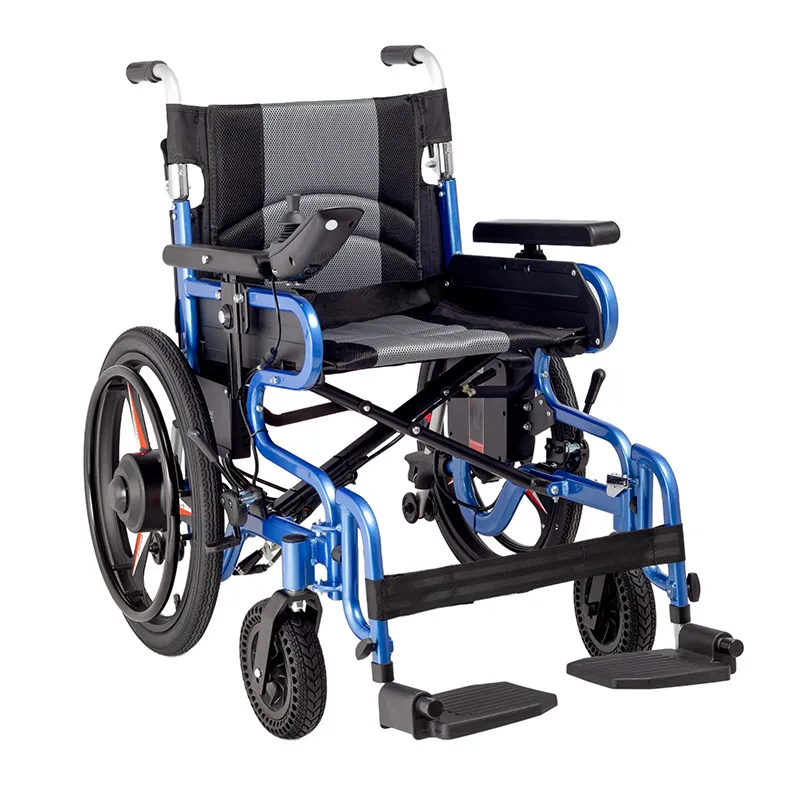
    The best assistive devices for weak legs are: ● walking frame (fixed/wheeled walking frame) ● crutches (single-legged/four-legged crutches) ● Rollator walker (Rollator walker with wheels) ● Wheelchair (manual/electric wheelchair)
    More
  • Why are the elderly reluctant to use rollator walkers?
    Reasons why the elderly are reluctant to use rollator walkers: ● The influence of self-esteem ● Cultural and social factors ● Psychological and emotional factors ● Problems in actual use
    More
  • How to choose a good walker?
    Choosing a suitable walker requires comprehensive consideration of multiple factors: wheel size (4 inches to 10 inches), height adjustment (28 to 38 inches), weight (5 to 10 pounds), foldable design, additional functions, use environment, personal health status and needs, brand and quality, etc.
    More
Get the latest price? We will reply as soon as possible (within 12 hours)

top