News

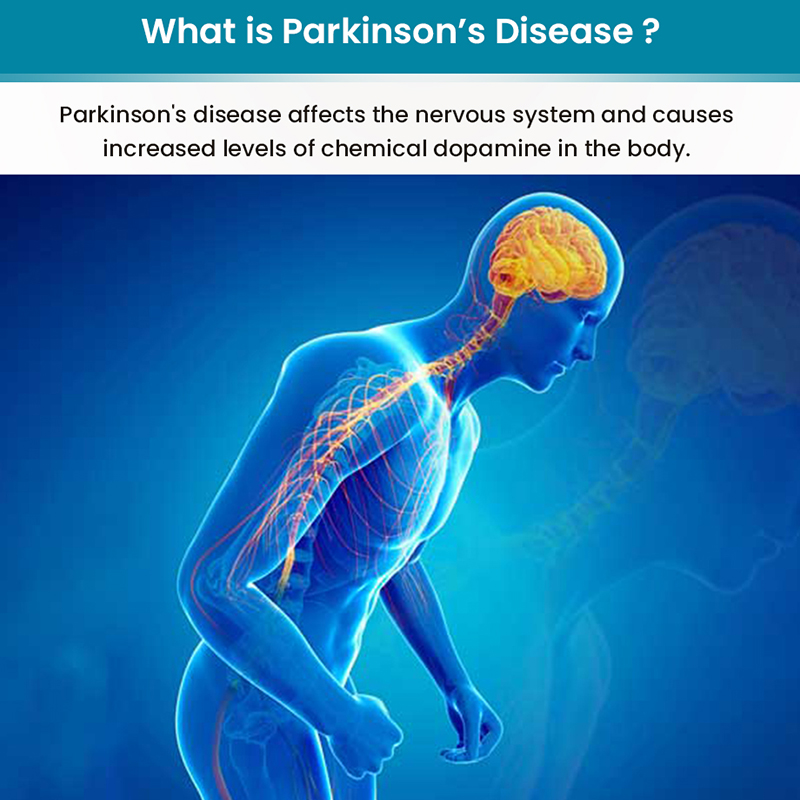
  • What is Parkinson's Disease? What Medical Assistive Devices Do they Need?
    Parkinson's disease is a chronic, progressive neurological disease. In this article, we will explore in detail the definition of Parkinson's disease, its causes, risk factors, symptoms, disease progression, and the medical assistive devices that patients may need.
    More
  • Buyer's Guide: How to Choose the Right Walker?
    Is the walker mainly used indoors or outdoors? If you mainly use it indoors, it may be more appropriate to choose a small and easy-to-maneuver walker; if you need to use it outdoors, consider choosing a more sturdy walker that can adapt to various ground conditions.
    More
  • Who is Suitable for a Wheelless Walker or a Four-Wheeled Rollator?
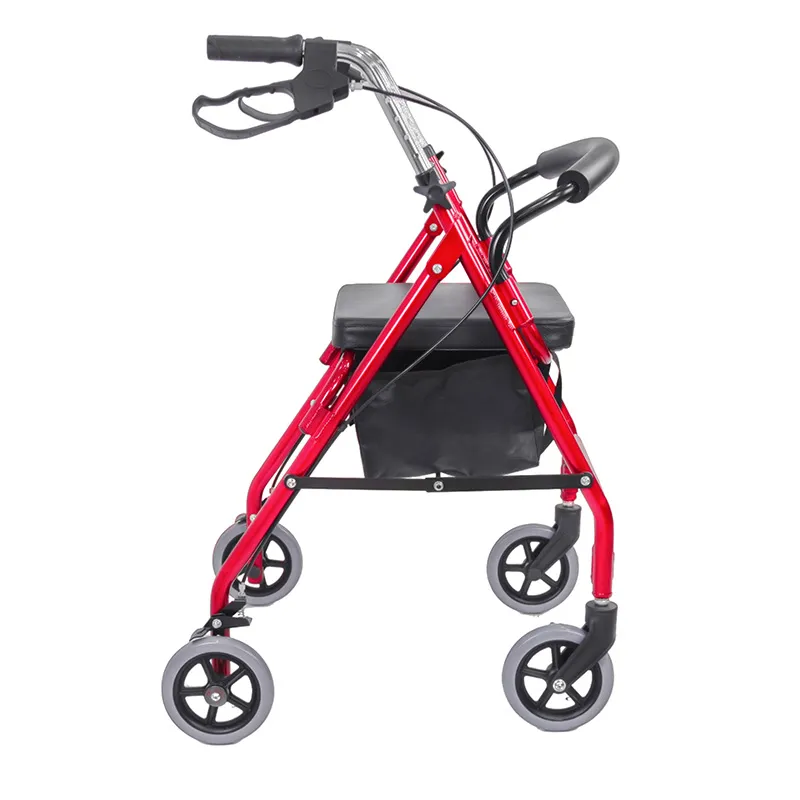
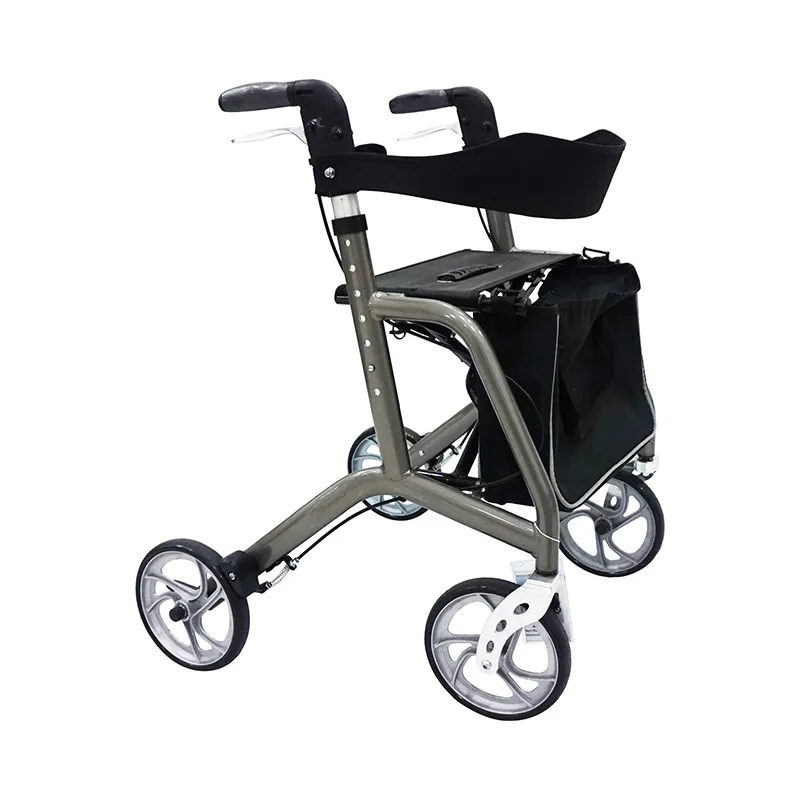
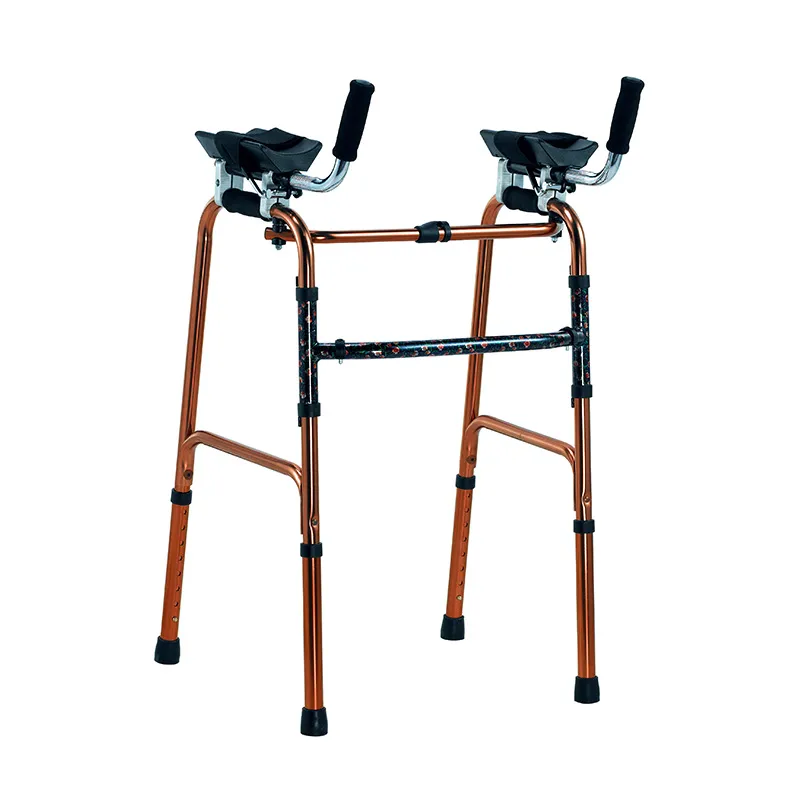
    Wheelless walkers are usually suitable for people who have limited mobility but still have a certain amount of upper limb strength and independent mobility. Four-wheeled rollators are suitable for users whose walking ability has decreased but who can still move independently. Compared with wheelless walkers, four-wheeled rollators are more flexible and can meet the various needs of users.
    More
  • How Can Hospital Beds Help People with Cerebral Palsy?
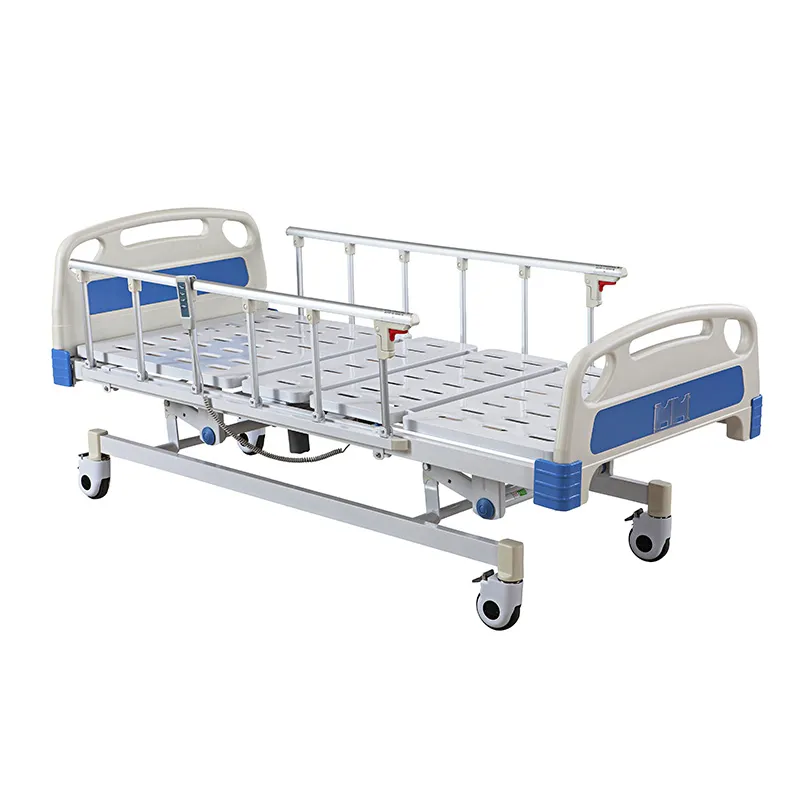
    Caregivers who care for patients with cerebral palsy often face great physical and psychological pressure. The electric adjustment function of hospital beds can make it easier for caregivers to turn patients over, bathe them, change bed sheets, and other care tasks, thereby reducing physical strain.
    More
  • Why are the elderly reluctant to use rollator walkers?
    Reasons why the elderly are reluctant to use rollator walkers: ● The influence of self-esteem ● Cultural and social factors ● Psychological and emotional factors ● Problems in actual use
    More
  • How to choose a good walker?
    Choosing a suitable walker requires comprehensive consideration of multiple factors: wheel size (4 inches to 10 inches), height adjustment (28 to 38 inches), weight (5 to 10 pounds), foldable design, additional functions, use environment, personal health status and needs, brand and quality, etc.
    More
  • Are wheeled rollator walkers safe for the elderly?
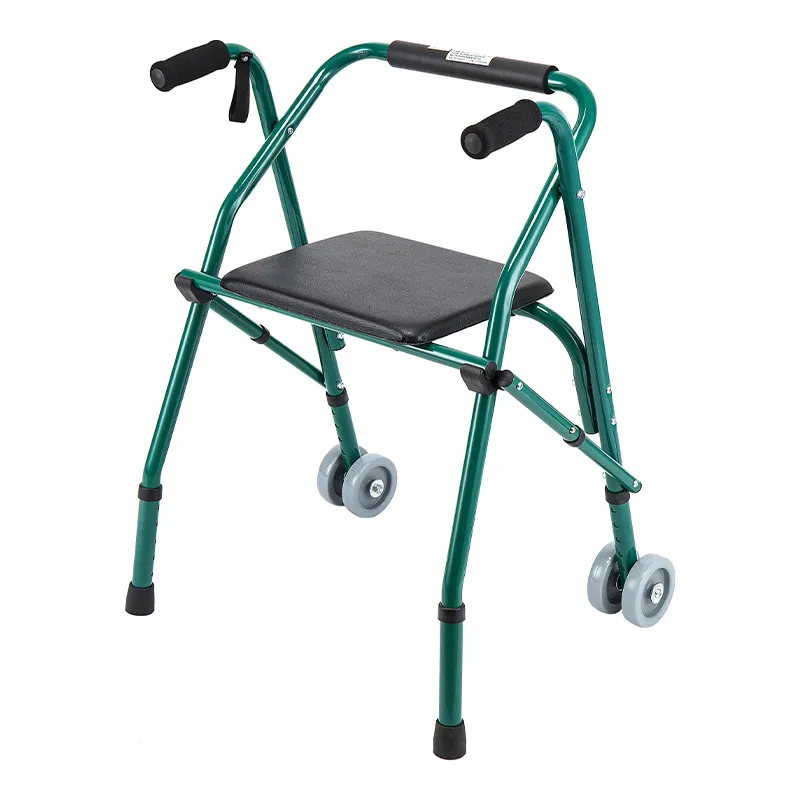
    Although the design with wheels increases flexibility, it also brings the potential risk of slipping. If the user uses the rollator walker on a downhill or slippery ground, the wheels may slide too fast and cause loss of control.
    More
  • What is the difference between a Type 2 walker and a Type 3 walker?
    Type 2 walkers, also known as standard walkers, usually refer to fixed-structure walkers with four support points. Type 3 walkers, also known as rolling walkers, usually refer to walkers with three support points and wheels. This walker is suitable for users who need more freedom of movement.
    More
  • Can the elderly sit on a rollator walker and be pushed around?
    A survey by the Center for Research on Aging Health in the United States pointed out that about 30% of rollator walker-related accidents are caused by users trying to sit on the rollator walker and be pushed. Such accidents usually lead to serious consequences such as fractures and head injuries.
    More
  • What is the difference between large and small wheels on a rollator walker?
    If it is mainly used outdoors and needs to face various complex terrains, it is recommended to choose a rollator walker with large wheels. If it is mainly used indoors or moved on smooth and flat ground, a rollator walker with small wheels is more suitable.
    More

Get the latest price? We will reply as soon as possible (within 12 hours)

top